
JOIN NAWM OR RENEW YOUR MEMBERSHIP
Help Support Our Nation's Wetlands
The National Association of Wetland Managers is a nonprofit membership organization established in 1983 to promote and enhance protection and management of wetland resources, to promote application of sound science to wetland management efforts and to provide training and education for our members and the public. Membership is open to anyone who is involved with wetland resources.
 The National Association of Wetland Managers (NAWM) holds eight webinars per year for members. NAWM Member webinars cover a variety of topics encompassing wetland science, policy, program implementation, and legal issues. These webinars, including recordings for past webinars are available to NAWM members.
Not a NAWM Member? Join or Renew
For more information about this webinar series, please contact Laura Burchill at laura@nawm.org or
(207) 892-3399. Learn more about sponsorship opportunities.
If you haven’t used Teams before or you just need a refresher, please view our guide prior to the webinar.
View Past NAWM Members Webinar Series Here
View a List of Past NAWM Members Webinar Series Recordings Here

Please check back for future NAWM Members webinars. Thank you.
To view Past Members Wetland Webinars:
Members You must be logged in.
Nonmembers To view recent Members Webinars, please join NAWM.
View Past Members Webinar Series Here
View a List of Past Members Webinar Series Recordings Here
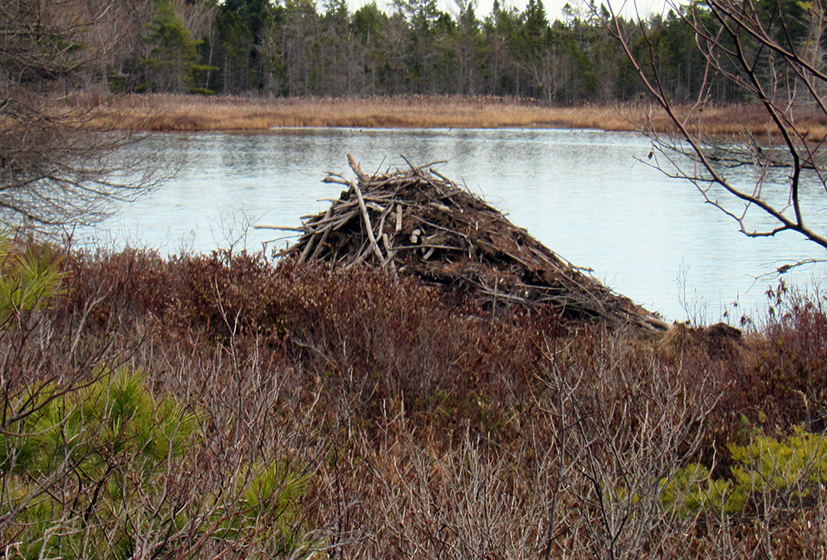 The National Association of Wetland Managers (NAWM) formerly the Association of State Wetland Managers (ASWM), and the Bureau of Land Management (BLM) collaborated to develop a series of webinars introducing the topic of restoration of aquatic ecosystems through the reintroduction of beavers, the use of beaver dam analogues (BDAs) or restoration designed to attract beavers to an area to contribute to changing hydrology and restoring ecosystem services. The webinar series was planned by a national workgroup of beaver restoration experts and webinars are presented by expert practitioners, managers and researchers working in the field. In 2020-2021, the six-part webinar series covered the basics of beaver restoration and continuing through implementation challenges and ways to encourage beaver restoration projects. The series has been added to our Online Trainings library, available here.
If you haven’t used Teams before or you just need a refresher, please view our guide prior to the webinar here.
View Past Beaver-related Restoration Webinars
Please check back for future Beaver-related Restoration Webinars.
 The Association conducts research and publishes reports, guidebooks, news articles, brochures, white papers, and summaries of findings of symposia and workshops. These are available electronically to all interested individuals and organizations.
Wetland News (Members' Only)
 Weekly News of Interest
Listed below are links to news articles that may be of interest to the wetland community. Readers are encouraged to send links to recent articles, publications, and other resources pertaining to wetlands in their local area to Portia Osborne, Executive Director at news@nawm.org and reference “In the News” in the subject.
Comment Letter – October 7, 2026 –
NAWM Comments on Updated Definition of "WOTUS"
The National Association of Wetland Managers (NAWM) submitted comments in response to the supplemental notice of proposed rulemaking, “Updated Definition of ‘Waters of the United States’,” EPA-HQ-OW-2025-0322. The NAWM letter addresses the following key issue areas: 1) importance of working with states and tribes to define WOTUS; 2) definitions and implementation of "perennial" and “relatively permanent”; 3) definition and implementation of "continuous surface connection"; and 4) concerns regarding the ability of states and Tribes to readily fill the jurisdictional gap. The full comment letter can be found here.
2026 NAWM Committees Overview
NAWM has six Board Committees that guide the organization and provide crucial support to NAWM staff. Current members of NAWM are eligible to serve on a committee. If you are interested in joining a committee, please contact Portia Osborne, NAWM Executive Director, at portia@nawm.org.
 Excutive Committee
Committee Charter: The mission of the Executive Committee is to exercise powers of the Board of Directors as to matters that arise and must be dealt with between regularly scheduled Board meetings, when it is not feasible to convene the Board, or in response to a crisis needing immediate decision.
Finance Committee
Committee Charter: The duties of the Finance Committee include assisting with the development of the annual budget and monitoring the fiscal health of the association.
Nominating Committee
Committee Charter: Our mission is to oversee the annual nomination and election process for board members as well as recruit new members and assist with association bylaw edits, board manual updates, board member orientation, and board policy interpretations.
Legislative and Policy Committee
Committee Charter: The mission of the Legislation and Policy Committee is to assist with and reviewpotential or ongoing projects or efforts to advance wetland science.
Applied Science and Projects Committee
Committee Charter: The mission of the Applied Science and Projects Committee is to assist with and review potential or ongoing projects or efforts to advance wetland science.
Outreach and Communications Committee
Committee Charter: The mission of the Outreach and Communications Committee is to assist with messaging and education in coordination with NAWM staff for Association members and partners.
The National Association of Wetland Managers has a long history of blazing trails in advocating for sound wetland science and sensible water policy. By joining NAWM, your membership will allow you to enjoy the many exclusive benefits - see the full list of benefits below.
Join by choosing one of the categories below.
If you have any questions, contact Laura Burchill at 207-892-3399 or email Laura.
The National Association of Wetland Managers has a long history of blazing trails in advocating for sound wetland science and sensible water policy. When you join NAWM, you step into the Insider Circle. This is where scientists, policy-makers, and wetland professionals connect, share knowledge, and influence decisions that matter.
Members gain access to many exclusive benefits, including webinars, training resources, and a direct connection to a nationwide network of wetland professionals. See the full list of membership benefits below.
Join today using one of the categories below.
If you have any questions, contact Laura Burchill at 207-892-3399 or email Laura.
NAWM reserves the right to adjust rates as needed to keep up with inflation. Paid memberships, whether they are for one year or 3 years, aren’t affected by price increases until its time for renewal.
Renew Your Membership by logging in to your members' portal.
To renew with a different category, please choose from below.
If you experience any issues renewing your membership on the website or need a reminder of your login information, contact Laura Burchill at 207-892-3399 or email Laura.
Renew Your Membership by logging in to your members' portal.
To renew with a different Category/Rate, please choose from the options below. Then follow prompts.
If you experience any issues renewing your membership on the website or need a reminder of your login information, contact Laura Burchill at 207-892-3399 or email Laura.
MISSION
The mission of the National Association of Wetland Managers (NAWM) is to build capacity for state and tribal members and foster collaboration among the wetland community of practice by encouraging the application of sound science to wetland management and policy, promoting the protection and restoration of wetlands and related aquatic resources, and providing training and education for members and the general public.
VISION
As a result of NAWM’s work, the wetland community has access to and effectively uses sound science, policy, and private/public partnerships to preserve, protect, and restore the nation’s precious and limited wetlands and related aquatic resources.
HISTORY
The National Association of Wetland Managers (NAWM) was founded by Jon A. Kusler, Esq., Ph.D., and Scott Hausmann in 1983 with two goals — to support state wetland programs and to support national wetland policy reflecting sound wetland science. NAWM has tried to stay true to these goals throughout the years, during the ups and downs of funding and politics. Read more.
Officers
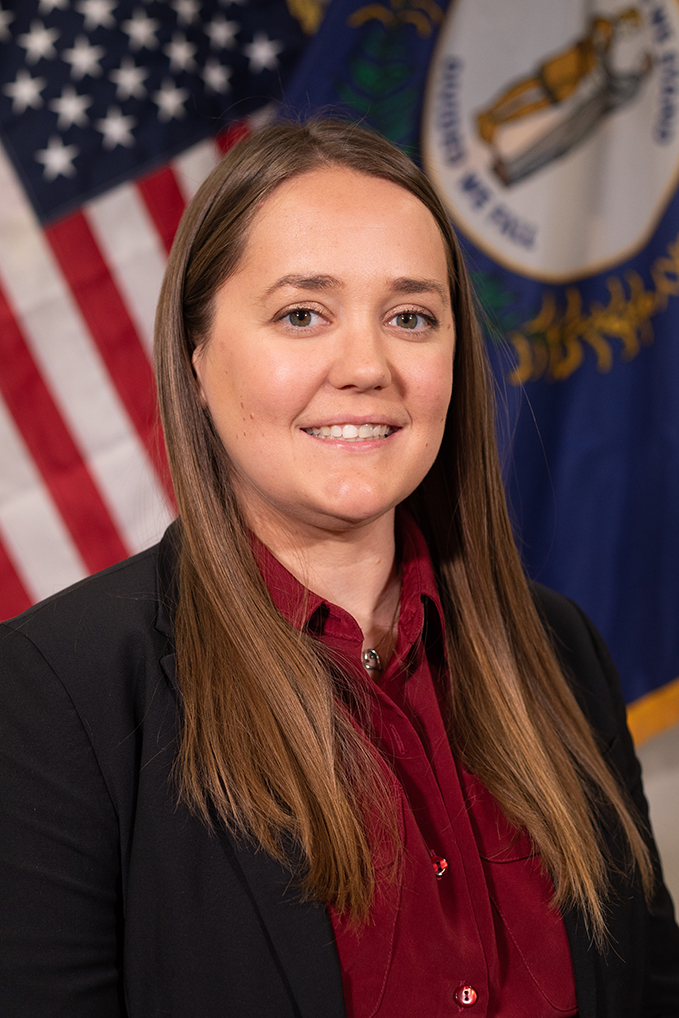 Samantha Vogeler, Chair
Samantha Vogeler has worked for the Kentucky Division of Water since 2015. With a strong regulatory background, she has extensive experience in implementing regulations under the Clean Water Act and the Safe Drinking Water Act. She worked in the 401 Water Quality Certification Section for ten years, where she ensures statewide implementation and compliance with the 401 Water Quality Certification Program and served on the Kentucky Interagency Review Team. She is currently the Manager of the Watershed Management Branch. Since 2019, Samantha has served on the National Association of Wetland Managers Board of Directors and is currently the Chair. Outside of work, she enjoys spending time with her family, playing sports, traveling, and exploring the outdoors.
Vice Chair, Open
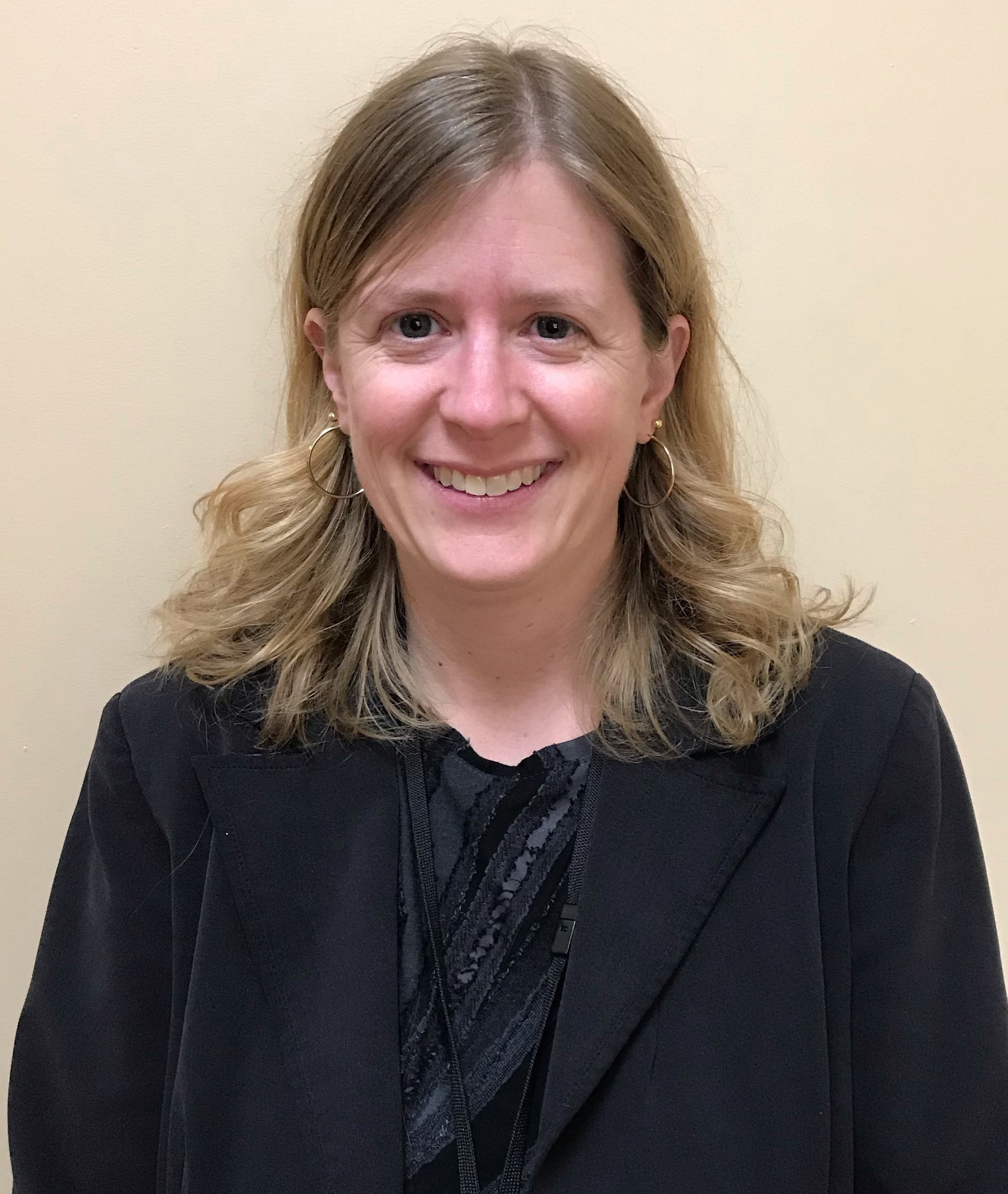 Amy Lounds, Secretary
Amy Lounds has served as the Section Manager for the Michigan Department of Environment, Great Lakes, and Energy’s Field Operations Support Section in the Water Resources Division for the past five years. The Section is responsible for administering, supporting, and enforcing division programs such as the Wetlands, Lakes and Streams, Great Lakes, Floodplains, Critical Dunes, High Risk Erosion Areas, Dam Safety, and the Coastal Management programs, which includes Michigan’s assumed Section 404 of the federal Clean Water Act program. Her duties include managing program staff, ensuring compliance with federal requirements and state-federal agreements, providing program guidance for staff and the public, and resolving complex and controversial technical and policy issues. Amy has worked for EGLE for over 25 years and earlier in her career served as the Wetlands, Lakes and Streams Unit Supervisor and the statewide wetland policy specialist and the administrator of the wetland mitigation banking program. Prior to working for EGLE, Amy worked for the Michigan Department of Transportation doing environmental reviews and permit applications for wetlands, inland lakes and streams, and floodplains. Amy has a Bachelor of Science in Zoology from Michigan State University and a Maters in Landscape Architecture and Conservation Biology and Ecosystem Management from the University of Michigan. Amy currently lives in Holt, Michigan with her husband and two daughters, and enjoys spending time with her family and being outdoors.
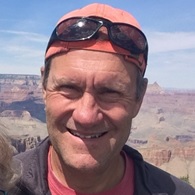 Andy Robertson, Interim Treasurer
Andy Robertson is the Executive Director of GeoSpatial Services at Saint Mary’s University of Minnesota. In this role, he is responsible for oversight and management of all GeoSpatial Services projects, activities and staff. GeoSpatial Services is engaged in a wide variety of projects across the Lower 48 and Alaska including wetland inventory; National Hydrography Dataset updates; spatial data development; and, natural resource condition assessments. Andy has a diverse background in spatial information systems, watershed planning, wetland inventory, forest management, environmental impact assessment, desktop and server system support and database administration. He is a Registered Professional Forest Technologist (Alberta, Canada) and has experience leading natural resource projects for both private sector companies and public agencies across Canada and the United States including the Department of Interior, United States Army Corp of Engineers, NOAA, and the Department of Agriculture. Andy has a Forest Technology Diploma from Sault College of Applied Technology in Ontario, Canada, a B.Sc. in Environmental Science from the University of Waterloo and has completed postgraduate work in forest management at the University of Toronto. He is also a steering committee member for the Wetland Mapping Consortium and is co-chair of the Alaska GeoSpatial Council Wetland Technical Group.
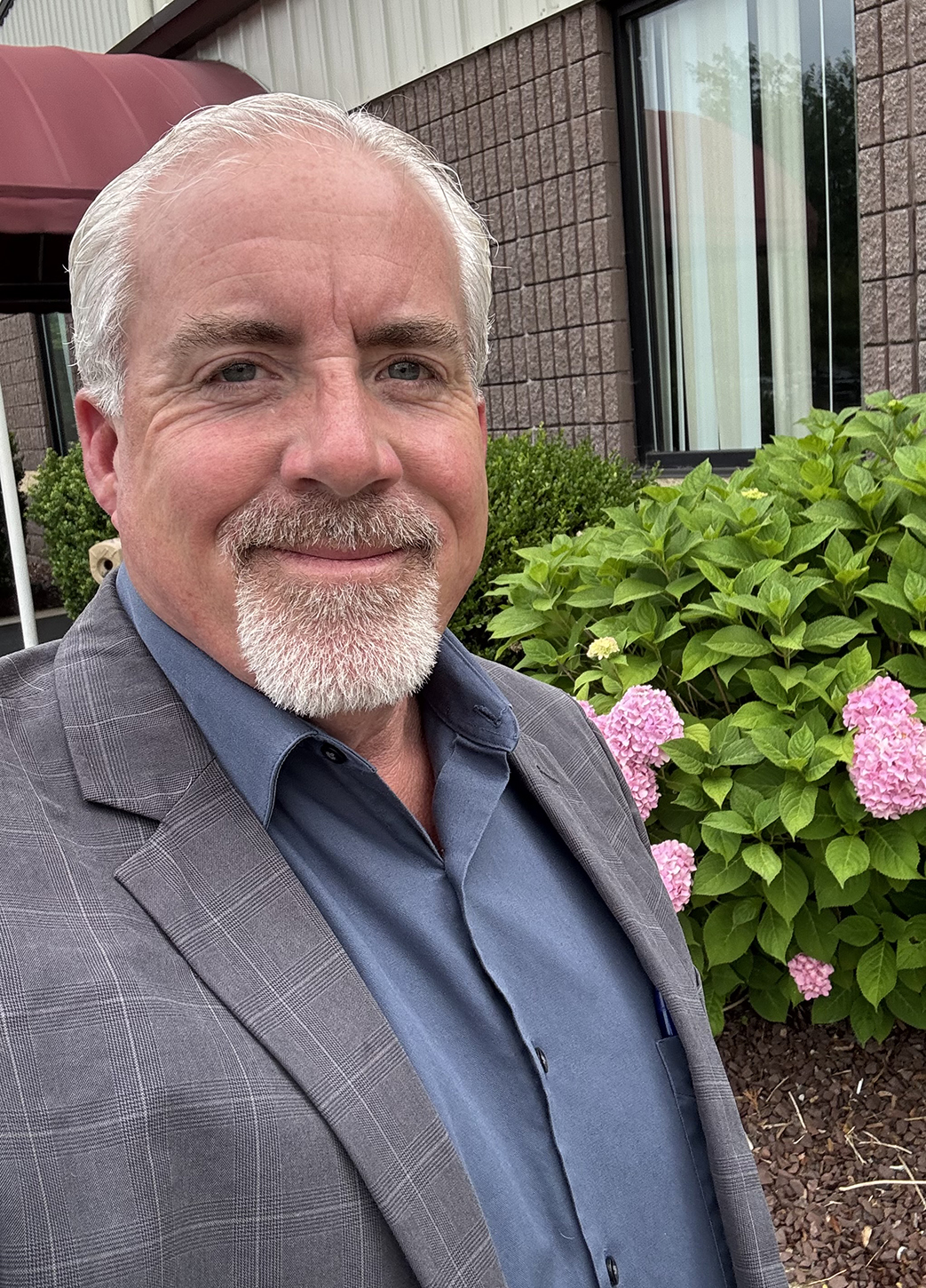 Mark Biddle, Past Chair
Mark Biddle is a certified Professional Wetland Scientist (PWS) with more than 35 years of experience. Mark spent most of his career at the Delaware Department of Natural Resources in the Watershed Assessment and Management Section. Mark managed the Wetland Monitoring and Assessment Program, the Watershed Management Program, Stream Habitat and Biology Program, and the Submerged Aquatic Vegetation Program. Mark has been involved in Delaware’s regulatory and permitting responsibilities for tidal wetlands, subaqueous lands, 401 water quality certification, and drafting legislation and regulations for non-tidal wetlands. His work has involved the Delaware Wetlands Conservation Strategy, wetland restoration, compensatory mitigation, wetland banking, assessing restored wetlands for nutrient assimilation, and serving as team leader for Delaware Whole Basin Management. He's helped lead multiple statewide and regional wetland mapping and other geospatial efforts and participated in various ecological and green infrastructure initiatives. Recently, Mark worked as a Program Manager for Engineering and Geographic Information Systems (GIS) in Maryland. He is currently working for the Delaware Division of Fish and Wildlife as an Environmental Scientist, and is providing environmental consulting through Dewey Environmental, LLC.
Members At Large
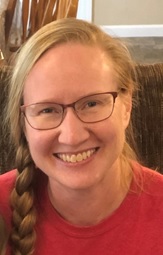 Stacia Bax - Missouri Department of Natural Resources
Stacia Bax is the Environmental Manager in the Financial Assistance Center within the Missouri Department of Natural Resources. Her section awards loans and grants to wastewater, stormwater, and nonpoint source projects across the State of Missouri. Stacia has over 23 years of experience with the department and has also worked most recently with the Section 401 Water Quality Certification Program for over 11 years, Section 402 NPDES program master general permits (industrial stormwater, industrial process water, construction/land disturbance stormwater, and municipal stormwater), and NPDES eReporting Rule. She also has worked with Section 319 Nonpoint Source grants, Water Quality Standards rulemaking, TMDL development, Montauk State Park as a seasonal naturalist, and fieldwork in the beautiful Ozarks of Southwest Missouri.
In her personal time, she enjoys spending time with her husband, daughter and son (and two dogs) hiking, camping, and kayaking as well as archery, scouting activities, and watching her daughter play college volleyball and son with shotgun sports. In her spare time, Stacia loves to read, cook and bake (pies are her favorite), explore new places, and craft fiber arts (knitting and crocheting namely, though she has a loom she would love to learn to weave on). She lives in Central Missouri.
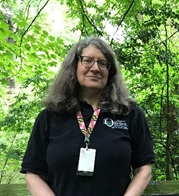 Denise Clearwater - Maryland Department of the Environment
Denise Clearwater has worked in Maryland’s wetland programs since 1986. She has a background in developing and implementing programs in wetland regulation, wetland training, and mitigation, as well as managing special projects for grants and program improvement and assisting in policy development. She has represented the Wetlands and Waterways Program in the Maryland Department of the Environment on numerous interagency work groups for regulatory, wetland monitoring, restoration, preservation and stream health and is a past co-chair of the Chesapeake Bay Program Wetland Work Group. She is also a member of the Society of Wetland Scientists. Denise has a B.S. in zoology from the University of Maryland and an M.S. in wildlife management from Frostburg State College (now University).
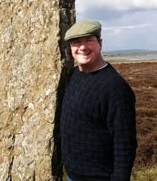 Bill Ryan - Oregon Department of State Lands
Bill Ryan is the Deputy Director at the Oregon Department of State Lands (DSL) leading the Aquatic Resources Management Program which is responsible for implementation of Oregon’s Removal-Fill and Wetlands Conservation Laws. Prior to joining the DSL in June of 2010, Bill enjoyed 14 years at the Oregon Department of Transportation performing environmental compliance work including wetlands delineation and mitigation, mitigation banking, regulatory streamlining and process improvement. Bill started his professional career in Southern California in 1989 providing environmental planning and habitat restoration expertise for various planning and engineering firms. Bill has been a member of NAWM (ASWM) for nine years. He also serves on the Board of the Oregon Public Management Association which provides networking and low-cost training opportunities for managers and aspiring managers in public service. Bill has an undergraduate degree in Geography Ecosystems Management from UCLA and a master’s in Biology from California State University, Fullerton. His master’s thesis topic was a study of succession in the alluvial scrub plant community following flood events in the Santa Ana River, California. In his spare time Bill enjoys hiking, camping, travel, skiing, singing acapella madrigals with the Sherwood Renaissance Singers and reading a good book.
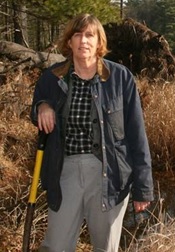 Mary Ann Tilton - New Hampshire Department of Environmental Services
Mary Ann Tilton is the Assistant Wetlands Bureau Administrator with the State of New Hampshire, Department of Environmental Services (NHDES), Wetlands Bureau. Mary Ann oversees wetlands permitting and assists in overall wetlands bureau natural rescue management. She has been with NHDES for over 30 years in various management and supervisory positions. She helped develop the Wetlands Enforcement program and supervised wetlands compliance for 17 years. She has served as the Assistant Administrator since 2005 and oversees state wetlands rules development, program development, and wetlands permitting. She is the recipient of an EPA Merit Award (2019) for development of a Wetlands BMP, multi-year rules initiative, and development of stream crossing rules. She holds a BA degree in Botany and Zoology from Connecticut College, MS in Zoology from University of Rhode Island, and a JD from UNH Law School (formerly Franklin Pierce Law Center), and is a Professional Wetland Scientist (PWS) and member of the Society of Wetland Scientists. She lives with her family in Concord, NH and enjoys biking, hiking, skiing, and birding, and exploring amazing wetland habitats.
 The Association conducts research and publishes reports, guidebooks, news articles, brochures, white papers, and summaries of findings of symposia and workshops. These are available electronically to all interested individuals and organizations.