NAWM LOGO FINAL BIG

 
National Association of Wetland Managers
Protecting the Nation's Wetlands


Open menu
  • NAWM
    • About NAWM
      • Staff
      • Board of Directors
      • NAWM Committees
    • Donate to NAWM
    • Sponsorship Opportunities
    • Volunteer
    • NAWM Events
      • 2026 Annual Meeting
      • 2026 STFC Meeting Registration
      • 2026 Annual Meeting Materials
      • 2026 Annual Meeting Sponsors
    • NAWM Members (Login Reg.)
    • - Newsletter
    • -Insider's Edition
    • Doing Business With NAWM
  • Webinars & Trainings
    • NAWM Webinars
    • NAWM’s Online Trainings
    • NAWM In-Person Trainings
  • Publications
    • Wetland News Digest
    • NAWM Publications
  • Science
    • About Wetlands
    • Wetlands One-Stop Mapping
      • National Data Sets & Information
      • LLWW Data & Information
      • LLWW Classification
      • LLWW Reports
      • Wetland Functional Assessment
      • Funding for Wetland Mapping
      • Wetland Mapping Consortium
      • State Wetland Mapping Summaries
    • Monitoring and Assessment
      • - Indicators
      • - National Wetland Condition Assessment
    • Wetland Restoration
      • Planning & Design
        • Ecosystem Service Valuation
      • Hydrology
      • Soils
      • Plants
      • Monitoring & Performance Standards
      • Adaptive Management
    • Invasive Species
    • Wetlands & Climate Change
    • Watersheds
    • - Natural Floodplain Functions Alliance
    • - Beaver-Related Restoration
  • Wetland Programs
    • Mentorship Program
    • MAWWG-NEBAWWG
      • MAWWG Overview
      • MAWWG-NEBAWWG Meeting Materials
      • MAWWG-NEBAWWG Meeting 2024
    • EPA Core Elements Framework
      • Wetland Program Plans
      • Monitoring and Assessment
      • Regulation
        • 401 Certification
        • State Programmatic General Permits
        • 404 Assumption
        • Dredge & Fill
        • Oil and Gas Pipeline Permitting
        • Compensatory Mitigation
      • Water Quality Standards for Wetlands
      • Voluntary Restoration & Protection
    • State Wetland Programs
      • State Program Summaries
      • Sustainable Financing
      • State Wetland Program Plans
      • State Wetland Status and Trends Reports
    • Tribal Wetland Programs
      • EPA Core Elements Framework and Wetland Program Plans
      • Wetland Program Funding
      • Education and Outreach
      • Wetland Mapping Tools
      • Tribal Clean Water Act Programs
      • Region 5 Tribal Wetlands Working Group (TWWG)
      • Webinar Recordings and Training Resources
      • Calendar of Tribal Wetland and Water Resource Training Events
    • Federal Wetland Programs
    • Local Wetland Programs
  • Law & Policy
    • NAWM Policy Documents
    • Clean Water Act
      • Clean Water Act Section 401 Water Quality Certification
      • Waters of the United States
  • Jobs Board
  • DONATE

NAWM Members

NAWM MembersMembers receive weekly issues of Insider’s Edition and bimonthly issues of Wetland News per year. If you are a member already, you may read the latest issue of Insider’s Edition and Wetland News (NAWM’s membership newsletter) by logging in to your Members' Portal. NAWM membership benefits information.

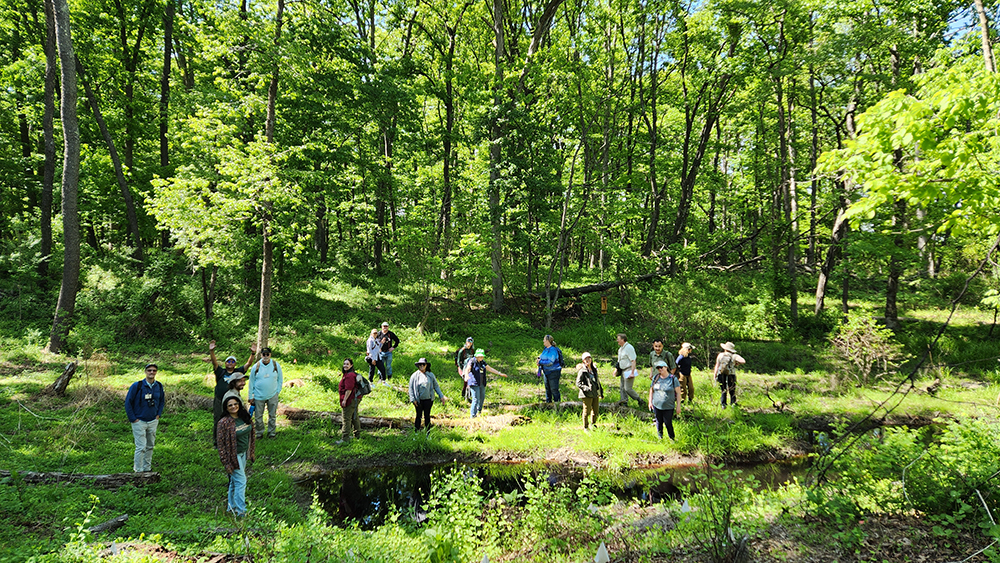
NAWM is looking for photos of our members working in the field—whether inside or outside, regulation or restoration, monitoring & assessment—or mapping & management of wetland resources. We would like to feature photos of wetland professionals doing a wide range of activities in the field of wetland science, policy and management. Please email these photos to Laura at laura@nawm.org for use on the NAWM website and/or in our membership newsletter, Wetland News.  
Members' Portal Log In


Member Spotlight

The NAWM membership includes state, tribal, federal, and local wetland managers, regulators, researchers, field scientists, academics, private consultants, and more. These wetlanders work across the United States in a wide variety of wetlands and related aquatic resources. To celebrate the important work that NAWM members are doing, each month NAWM shines the Member Spotlight on one member to learn more about the good work they are doing to protect and restore our wetland resources, how they came to work in wetlands, and how being a member of the Association benefits their work. If you would like to nominate a member for a future Member Spotlight, please reach out to Portia Osborne, NAWM Executive Director, at portia@nawm.org. View Member Spotlight Archive.

Tyler Orgon

Tyler Orgon, Red Lake Band of Chippewa Indians

Tyler Orgon is a Biologist and GIS Specialist with the Red Lake Band of Chippewa Indians working in the Water Resources Division of the Red Lake Department of Natural Resources in north-central Minnesota.

What is your favorite part of your job? And, what is one of your biggest professional accomplishments?

One of the most rewarding parts of my work is the opportunity to act as a researcher, identifying environmental challenges and designing scientific studies that help us understand and address those issues in ways that support the Tribe’s long-term interests.

A key part of this work involves partnering with graduate students. These collaborations are mutually beneficial: students gain hands on experience and complete their Master’s degrees, while we gain valuable insights into our most pressing environmental questions. One recent graduate helped us determine that the peatland complexes north of Upper Red Lake contribute eight times more mercury to the Red Lakes than non peatland tributaries, an important finding that is shaping our ongoing monitoring and restoration efforts

What is your favorite type of wetland? Why?

Working with wetlands, I’ve developed two clear favorites. I’m especially drawn to shallow, open water wetlands, which support an incredible diversity of life and are always full of surprises. I’m equally inspired by the vast peatland complexes north of Upper Red Lake, one of the largest peatland expanses in the United States and rivaling the Florida Everglades in scale. Unfortunately, early 1900s ditching attempts still disrupt hydrology today, and our team is actively working to restore these systems.

Tyler Orgon, Red Lake Band of Chippewa Indians How did you end up working in wetlands?

Although I am not a wetland specialist by formal training, my background is in fisheries, I’ve spent the past 11 years working closely with wetlands through my role with the Red Lake Band. I wear many hats within our Water Resources Division, with wetlands making up roughly a quarter of my responsibilities. Much of our work focuses on mapping wetland extent, but we also partner with state and federal agencies to conduct site specific assessments for broader wetland monitoring programs.

What advice do you have for someone interested in getting started in wetlands work?

For anyone interested in working with wetlands, my best advice is simple: pack light and bring plenty of water. And if you find yourself in a peatland on a hot day, don’t hesitate to lie back on a bed of sphagnum moss, it’s like resting on a cloud.

How long have you been a member of NAWM? How have you participated in NAWM?

I’ve been a member of NAWM for several years, thanks to the EPA Region 5 Tribal Wetlands Working Group (TWWG). NAWM trainings and webinars have been invaluable to our work, and the opportunity to learn from and collaborate with other members has helped us navigate many of our wetland challenges. I look forward to attending, and hopefully presenting at, future NAWM meetings where reconnecting with familiar faces and meeting new colleagues continues to strengthen our collective efforts.

Tyler Orgon, Red Lake Band of Chippewa Indians

 
If you would like to nominate a member for a future Member Spotlight, please reach out to Portia Osborne, NAWM Executive Director, at portia@nawm.org.

View Member Spotlight Archive.


NAWM | Webinars & Trainings | Publications | Science | Wetland Programs | Law & Policy | Jobs | Donate | Join | LogIn

National Association of Wetland Managers
500 Washington Avenue, Suite 201 | Portland, ME 04103 | Phone: 207-892-3399 

Non-Discrimination Policy: The National Association of Wetland Managers does not discriminate in employment opportunities or practices because of race, color, religion, sex (including pregnancy, gender identity, and sexual orientation), national origin, age disability (including vision or hearing), or any other status protected by law. Read more.
 
NAWM is a 501(c)(3) charitable organization.
How to Use this Website | Sitemap | 
Copyright © 2026. All Rights Reserved.
 

1 For the Planet 1 For the Planet


gsanawmcontract